The Uncertain Future of Health Insurance in Wyoming
For many residents of Wyoming, the future of health insurance is filled with uncertainty and concern. Laramie resident Jessica Brauer, an executive director at the Laramie Plains Civic Center, is one of thousands who rely on the Health Insurance Marketplace to afford coverage. Created under the Affordable Care Act in 2010, this program provides subsidies through the Advance Premium Tax Credits, which significantly reduce premium costs.
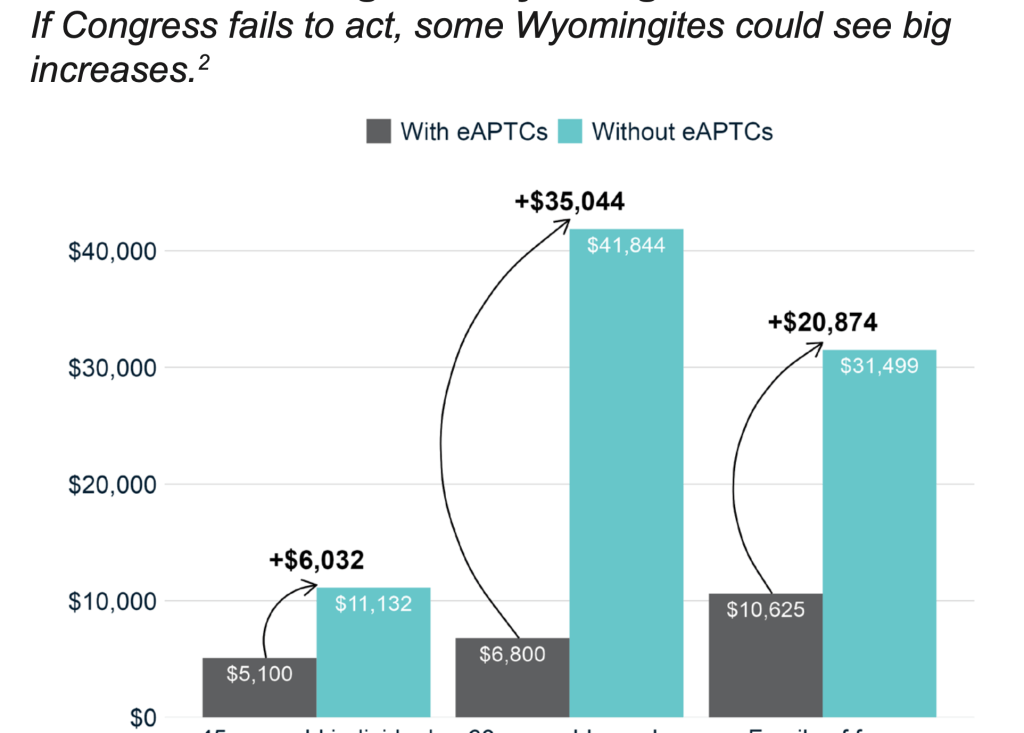
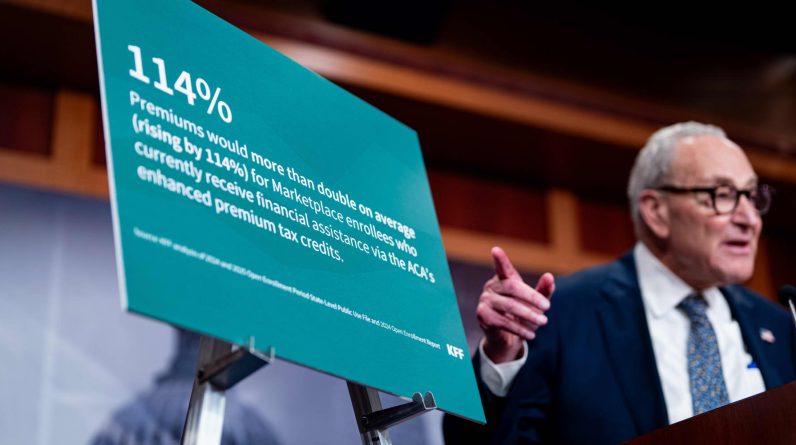
Brauer currently pays around $325 a month for her health insurance, thanks to these credits. Without them, her monthly cost would jump to $816—a 150% increase. She has been fortunate to remain healthy, but she carries the policy as a precaution against potential catastrophic expenses. However, with the tax credits set to expire at the end of 2025 unless Congress acts, she now faces a daunting unknown.
The uncertainty surrounding the renewal of the tax credits is causing anxiety among many Wyoming residents. Brauer, along with over 40,000 others in the state, is waiting for the marketplace to open in November to see what the new costs will be. This lack of clarity has left her in a holding pattern, unsure of how to plan financially.
In addition to the tax credit issue, Brauer was previously covered by Mountain Health Co-op, which announced it will no longer offer plans in Wyoming by year-end. This means the state will have only two providers left, further complicating access to affordable health care.
If Brauer’s costs were to reach the $800 range, she would likely struggle to afford it. “That’s comparable to my mortgage payment,” she said. For many, such a financial burden could mean losing coverage altogether.
Mounting Challenges in Rural Healthcare
Wyoming’s rural nature presents unique challenges in healthcare access. Hospitals often struggle to hire and retain medical staff, and essential services like childbirth have declined. Patients frequently travel long distances for specialist care, adding to the strain on the system.
Recent legislative changes, such as the One Big Beautiful Bill Act, are expected to reduce federal Medicaid spending by $793 billion over 10 years. While Wyoming hasn’t expanded Medicaid, the cuts could still lead to coverage losses and economic impacts. A new analysis suggests that the state could lose nearly 200 jobs annually and experience a $140 million economic hit over five years.
Wyoming’s Medicaid program covers 62,000 patients, while 42,000 residents get coverage through the Affordable Care Act marketplace. The enhanced tax credits introduced in 2020 helped lower the national uninsured rate, but their expiration at the end of 2025 threatens to reverse those gains.
A Looming Deadline
Time is running out for Wyoming residents to prepare for the potential increase in health insurance costs. With enrollment opening in November, many are left in the dark about what their options will be. Advocates warn that without action, thousands could lose their coverage.
“The premiums in these plans tend to be higher in states like Wyoming and Alaska, and so the jumps for folks in the state are going to be even more dramatic than in more populous states,” said Thea Zajac, senior director of grassroots advocacy for Blood Cancer United.
For some, the projected increases are staggering. A 60-year-old couple with an annual income of $82,000 could face an increase of $37,422 in annual health care costs due to the loss of tax credits. Many residents are unaware of the impending changes, making the situation even more alarming.
A Potential Solution?
A new federal program, the Rural Health Transformation Program, offers $500 million to $800 million to stabilize and strengthen rural hospitals in Wyoming. However, critics argue that short-term funding may not provide sustainable solutions.
Congress still has the opportunity to act before the deadline. Ideally, the extension of the tax credits would be included in the continuing resolution needed to fund the federal government by September 30. “The deadline is looming,” said Zajac.
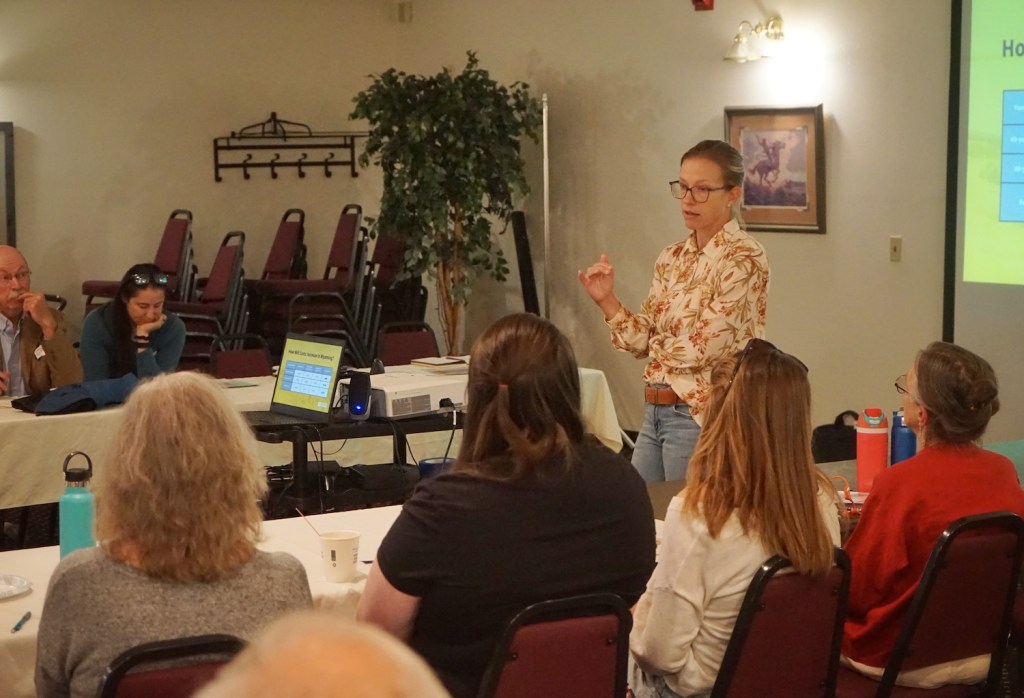
Wyoming’s congressional delegation, including Sen. John Barrasso, supports the Rural Health Transformation Program, which aims to give rural providers the resources they need to improve access to care. Meanwhile, the state’s health department is conducting public meetings to gather input on rural health care challenges.
Personal Struggles and Financial Uncertainty
Lander resident Elizabeth Aranow and her husband, both independent contractors, are also facing the uncertainty of rising health insurance costs. If the tax credits aren’t renewed, their monthly payments could increase by hundreds or even thousands of dollars. This uncertainty has created additional stress in their lives, forcing them to question whether they need more contracts or should seek employment with employer-provided insurance.
“Not having insurance isn’t an option,” Aranow said. “I want to be responsible and I want to financially plan, but I can’t financially plan for something I don’t know what it is.”
With the deadline approaching, many Wyoming residents are left in limbo, unsure of what the future holds for their health care coverage.