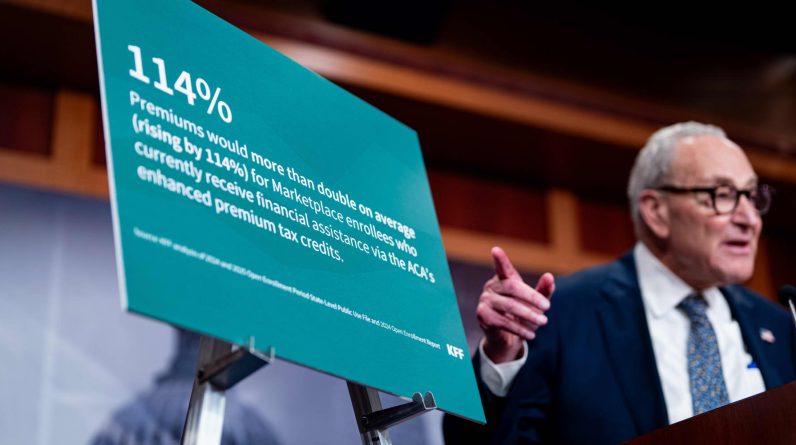
Health insurance has always been a cornerstone of financial security. Medical bills remain one of the leading causes of financial hardship, especially for families with children. In 2025, healthcare costs continue to rise, making it more important than ever to choose the right coverage. Families want protection from unexpected expenses while also ensuring access to quality care.
But with dozens of options on the market, identifying the best health insurance plans for families can feel overwhelming. On top of that, the debate between health insurance vs medical insurance adds to the confusion. Are they the same thing? Which one should you prioritize?
This article breaks down what families should look for in health insurance, compares different plan types, and explains how to navigate the modern insurance landscape with confidence.
Health Insurance vs Medical Insurance: What’s the Difference?
While the terms are often used interchangeably, they aren’t exactly the same.
-
Health Insurance: A broad term covering expenses related to overall health, including preventive care, hospitalization, surgeries, prescription drugs, maternity care, and sometimes even wellness programs.
-
Medical Insurance: A narrower term, typically referring to coverage for specific medical expenses like hospital stays, surgeries, or emergency treatments. It often excludes preventive services and broader benefits.
In short, health insurance is more comprehensive, while medical insurance is more limited in scope. Families seeking full protection should prioritize health insurance.
Why Families Need Comprehensive Coverage
Families face a wide range of healthcare needs—annual check-ups, pediatric visits, vaccinations, dental care, maternity care, and unexpected emergencies. Without insurance, a single hospital stay could cost tens of thousands of dollars.
Comprehensive health insurance offers peace of mind by:
-
Covering preventive care to keep everyone healthy.
-
Providing access to specialists and emergency services.
-
Offering financial protection from catastrophic medical bills.
-
Supporting long-term wellness with programs like mental health counseling or telemedicine.
Key Features of the Best Health Insurance Plans
When evaluating plans in 2025, families should focus on these features:
-
Affordable Premiums and Deductibles
-
Striking the right balance between monthly costs and out-of-pocket expenses.
-
-
Wide Provider Network
-
Access to trusted doctors, specialists, and hospitals near you.
-
-
Prescription Drug Coverage
-
Essential for families managing chronic conditions.
-
-
Preventive Care Benefits
-
Immunizations, annual check-ups, and screenings covered at no additional cost.
-
-
Telehealth Services
-
Virtual visits save time and money, especially for busy parents.
-
-
Family-Friendly Policies
-
Maternity coverage, pediatric care, and mental health services.
-
Popular Plan Types in 2025
-
HMO (Health Maintenance Organization)
-
Lower premiums but limited provider networks.
-
Requires referrals for specialists.
-
-
PPO (Preferred Provider Organization)
-
Higher flexibility in choosing doctors and specialists.
-
Higher premiums than HMOs but less restrictive.
-
-
EPO (Exclusive Provider Organization)
-
Middle ground between HMO and PPO. No out-of-network coverage except emergencies.
-
-
High-Deductible Health Plans (HDHPs) with HSAs
-
Lower monthly premiums, higher out-of-pocket costs.
-
Paired with Health Savings Accounts for tax benefits.
-
-
Family Group Insurance through Employers
-
Often more affordable than individual policies.
-
Coverage varies by employer size and provider contracts.
-
The Role of Technology in 2025 Health Plans
Modern insurance providers now use apps and AI to:
-
Track health metrics and reward healthy behaviors.
-
Offer 24/7 telemedicine access.
-
Provide personalized recommendations for coverage.
-
Simplify claims and billing processes.
Families should look for plans that integrate these digital tools for added convenience.
Cost Trends in 2025
The average annual premium for family coverage in 2025 ranges between $20,000 and $25,000, often split between employers and employees. Out-of-pocket maximums can reach $8,000–$12,000 depending on the plan.
This makes comparing best health insurance plans critical, as small differences in coverage and deductibles can save thousands per year.
Real-Life Example
Consider a family of four choosing between two plans:
-
Plan A (HMO): $1,200 monthly premium, $3,000 deductible, limited network.
-
Plan B (PPO): $1,500 monthly premium, $1,500 deductible, wide network.
If the family has multiple medical visits and prescriptions each year, Plan B may cost more upfront but save money long term. For healthier families, Plan A could be the better choice.
Common Mistakes Families Make
-
Focusing Only on Premiums: Lower monthly costs can mean higher deductibles and worse coverage.
-
Ignoring Provider Networks: Choosing a plan without your preferred doctors can lead to frustration.
-
Not Considering Future Needs: Maternity, pediatric, or chronic care needs should influence your choice.
-
Overlooking Preventive Benefits: Skipping coverage for routine care can cost more in the long run.
Final Thoughts
Choosing the best health insurance plans in 2025 requires balancing cost, coverage, and convenience. Families should prioritize comprehensive health insurance over limited medical insurance to ensure protection for both routine care and emergencies.
By carefully comparing options, factoring in future needs, and leveraging technology, you can find a plan that keeps your family healthy without breaking the bank.
Remember: health insurance vs medical insurance is more than semantics—it’s about ensuring you have the right protection at the right time. For families, comprehensive health insurance remains the smartest choice.