The Rise of Drone Inspections in the Insurance Industry
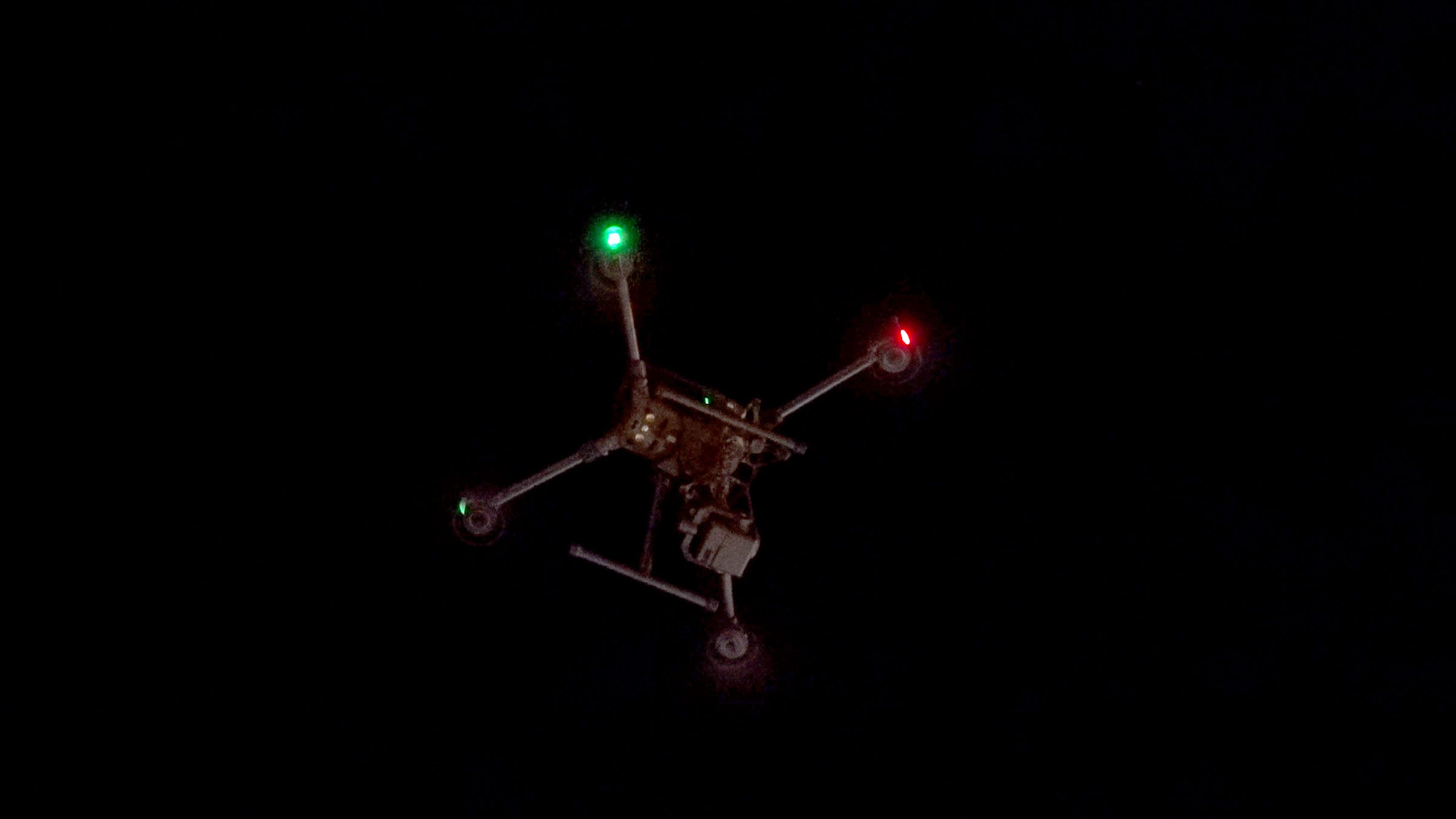
In recent years, the insurance industry has been leveraging advanced technology to streamline its operations and manage risk more effectively. One such innovation is the use of drones for property inspections. These aerial devices are now being deployed by insurers to assess homes and properties, capturing detailed images and data that help determine coverage and risk profiles.
This approach is not entirely new, but it has become increasingly common as insurers seek to reduce costs and improve efficiency. Drones can quickly survey a property from above, providing insights into the condition of roofs, potential hazards like backyard pools or trampolines, and other factors that could affect an insurance claim. This method allows insurers to make informed decisions without the need for in-person visits, which can be time-consuming and intrusive.
How Drones Are Changing the Game
According to Mark Friedlander, senior director of media relations for the Insurance Information Institute, the use of drones for disaster area assessments has been around for over a decade. However, the frequency of their use has increased significantly following major hurricanes such as Harvey, Irma, and Michael in 2017 and 2018. These events highlighted the need for quicker and more efficient ways to evaluate damage and process claims.
Over the past five years, insurance companies have started using drones not only after disasters but also proactively to assess the condition of properties they insure. This shift allows them to identify high-risk properties before any incidents occur, ultimately leading to lower costs for consumers.
Drones offer several advantages over traditional inspection methods. They can cover large areas quickly, reducing the time needed to gather data. Additionally, they provide a safer alternative for inspectors who would otherwise have to climb onto rooftops or navigate potentially dangerous environments. This makes the process less invasive and more cost-effective for both insurers and policyholders.
Legal Considerations and Privacy Concerns
The use of drones for property inspections raises important legal and privacy questions. While some jurisdictions allow drone photography of private property, others have imposed restrictions. For instance, certain countries, including Barbados, Cuba, Israel, Nicaragua, and Venezuela, have banned or severely restricted drone use. In the United States, local laws may vary, with some states enacting legislation to protect residents’ privacy.
In Florida, the “Freedom from Unwarranted Surveillance Act” prohibits recording property in a way that violates a person’s reasonable expectation of privacy. This means that if a drone captures images that go beyond what is visible from the ground, it could be considered illegal without proper consent. Such consent might be included in the terms of an insurance contract, according to Friedlander.

Challenges and Controversies
While drones offer many benefits, they also come with challenges. Policyholders may find themselves at odds with their insurers if the data collected by drones leads to disputes over property conditions. Mike Arman, a property owner in Ormond Beach, experienced this firsthand when his roof’s condition was called into question based on drone imagery. Proving that his roof was in insurable condition required multiple steps, including inspections, documentation, and invoices.
Arman, who holds a drone operator’s license and is an FAA-certified instructor, expressed concerns about the increasing use of surveillance technologies. He joked about the possibility of needing a “Ouija board” to get more information, highlighting the frustrations some homeowners feel when dealing with automated assessments.
Despite these challenges, the use of drones in the insurance industry shows no signs of slowing down. As technology continues to evolve, so too will the ways in which insurers assess and manage risk. For now, homeowners must remain aware of how their properties are being monitored and what rights they have in challenging any findings that may impact their coverage.